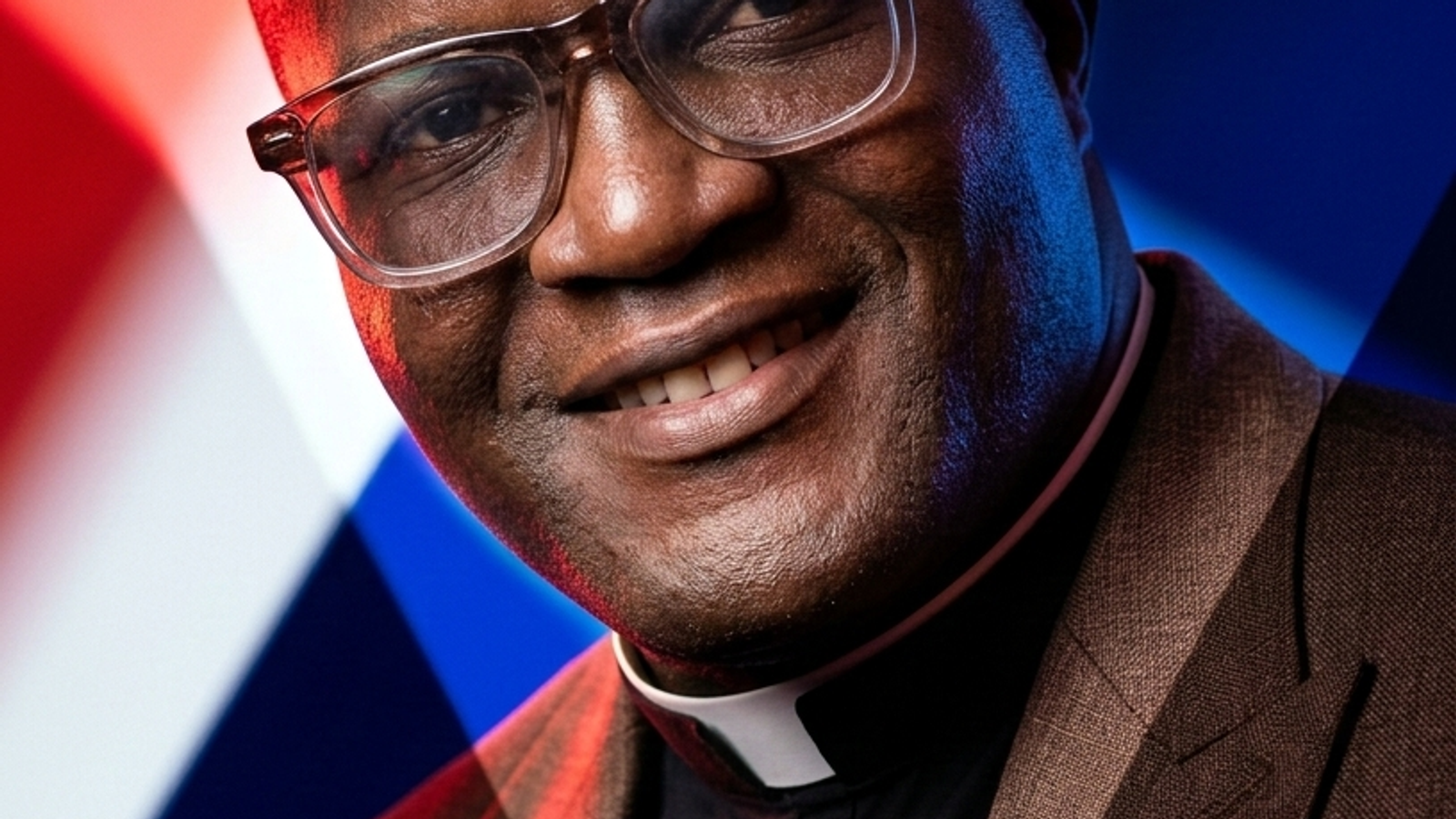
Maintaining your Christian Identity
Principles for a Fulfilling Christian Life
1. Immerse Yourself in the Word
The Word of God is not merely a devotional accessory — it is the very foundation of the
believer’s life. To immerse yourself means more than occasional reading; it means
saturating your thinking, your decision-making, and your worldview with Scripture.
Jesus declared that man shall not live by bread alone, but by every word that proceeds
from the mouth of God (Matthew 4:4). Immersion produces transformation. When the Word
dwells richly in you (Colossians 3:16), it begins to displace fear, confusion, and
compromise. It renews the mind (Romans 12:2), sharpens discernment, and anchors the soul
in truth. A believer who neglects the Word becomes spiritually malnourished — active in
religion but weak in conviction.
2. Attend Church Regularly
The local church is not optional for the serious believer. It is God’s ordained community
for worship, accountability, growth, and mission. Hebrews 10:25 warns against forsaking
the assembling of believers — and the warning is not casual. Regular attendance is an act
of covenant faithfulness. It places you under sound teaching, connects you to the body of
Christ, and keeps you submitted to spiritual authority. Beyond attendance, engagement
matters. Show up with expectation. The church is where iron sharpens iron (Proverbs
27:17), where gifts are exercised, where burdens are shared, and where the presence of
God is corporately encountered.
3. Guide Your Mind and Heart
Proverbs 4:23 commands us to guard the heart with all diligence, for out of it flow the
issues of life. What you allow in will eventually come out — in your words, attitudes,
and choices. “Everybody will watch, but I will not watch” is a posture of intentional
self-governance. It means you do not simply consume whatever culture produces. You filter
what you see, hear, and entertain. This is not legalism — it is stewardship of the inner
life. A guarded mind is a fruitful mind. A guarded heart is a stable heart. The believer
who governs their inner world will govern their outer world with far greater integrity.
4. Cultivate Humility and a Contrite Heart
Humility is not low self-esteem — it is an accurate assessment of self before God.
It is the posture that says, I am nothing without Him. God explicitly resists the
proud but gives grace to the humble (James 4:6). A contrite heart — one that is broken
over sin and sensitive to God — is not a sign of weakness. It is the condition God
inhabits. Isaiah 66:2 declares that God looks to the one who is humble and contrite in
spirit, and who trembles at His word. Pride closes the ear to correction and the hand
to grace. Humility opens both. Cultivate it daily — in how you receive rebuke, how you
treat others, and how you approach God in prayer.
5. Be an Ambassador of Christ
An ambassador does not represent themselves — they represent the one who sent them.
Paul writes in 2 Corinthians 5:20, “We are therefore Christ’s ambassadors, as though
God were making his appeal through us.” This means your life is a message. Your conduct
in the marketplace, your tone in conflict, your integrity in private — all of it speaks
on behalf of the Kingdom. Ambassadors are not conformed to the culture of the land they
are stationed in; they carry the culture of their home country. As citizens of heaven
(Philippians 3:20), believers are called to carry Kingdom culture — love, justice, truth,
and grace — into every environment they occupy.
6. Practice Active Obedience
Obedience is in action, not in words.
It is easy to say yes to God. It is another thing entirely to do what He says. Jesus
asked pointedly in Luke 6:46, “Why do you call me Lord, Lord, and do not do what I
say?” Active obedience means moving when God says move, stopping when God says stop,
giving when God says give — without delay, negotiation, or excuse. Faith without works
is dead (James 2:17), and love for God is demonstrated through obedience to His commands
(John 14:15). Passive agreement is not obedience. The blessing is not in the hearing —
it is in the doing (James 1:25).
7. Use Your Gift in Service to Others
A person addicted to the work of God will have life’s additions.
Every believer has been graced with at least one spiritual gift — not for self-promotion,
but for the building up of the body (1 Corinthians 12:7). Peter writes, “Each of you
should use whatever gift you have received to serve others” (1 Peter 4:10). When you
deploy your gift in service, you step into divine purpose. And there is a profound
principle embedded here: those who give their lives to God’s work do not lack — they
gain. The additions of life — peace, provision, fruitfulness, fulfilment — come to those
who pour themselves into God’s agenda rather than hoarding their energy for personal
ambition. Service is not subtraction. It is multiplication.
8. Practice Gratitude and Forgiveness — and Stop Comparing
Gratitude is a spiritual discipline that rewires the soul. It shifts focus from what you
lack to what you have been given, and in doing so, it opens the door to deeper
contentment and joy. Paul commands believers to give thanks in all circumstances
(1 Thessalonians 5:18) — not for all circumstances, but in them. This is possible only
by faith. Forgiveness, likewise, is not optional. Harbouring offence gives the enemy a
foothold (Ephesians 4:26–27) and keeps you emotionally and spiritually imprisoned.
You forgive not because the other person deserves it, but because you have been forgiven
infinitely more (Matthew 18:21–35). And comparison? It is the thief of calling. Your
race is your own. Run it.
9. Rely on the Holy Spirit
No amount of discipline, knowledge, or willpower is sufficient for the Christian life
without the Holy Spirit. Jesus told His disciples it was better for them that He go
away, so the Comforter could come (John 16:7). The Holy Spirit is not a supplement to
the Christian life — He is the Christian life. He convicts, guides, empowers,
intercedes, and transforms. Zechariah 4:6 settles it plainly: “Not by might, nor by
power, but by My Spirit, says the Lord.” To rely on the Holy Spirit is to daily
surrender your own understanding, invite His leadership, and move in step with Him.
It is the difference between religion and relationship — between striving and flowing.

